Opening the current treatise features information about silicone compound plus electron-flowing silver-filled elastomer strips towards electromagnetic interference protection.
PDMS polymers are extensively utilized within the scope of compliant operations because of their distinguished fortitude and material durability. However, their characteristic shortfall of charge transfer reduces the effectiveness in dedicated computing operations.
The embedding of conductive nanometric-sized components, especially Ag-based loaded in the matrix of the polymer matrix, produces a integrated effect yielding a conductive fabric able to high-performance radio frequency shielding.
Such strategies allow apparatuses to withstand problematic EMI static.
Encapsulating Circuit Devices: One Function of Silicone Compounds and Electrically Pads
Effective shielding of circuit assemblies is fundamental in demanding situations. Dimethylsiloxane, with their notable adaptability and physical persistence, provides remarkable aqueous protection attributes. Though with setups necessitating charge transmitting functionality, electronically active interfaces, often fabricated from shielding substances, function as necessary to reduce EMC clutter and establish reliable functionality. A alliance of Silicone Compounds and electrically components delivers a robust answer focused on realizing dependable efficiency in cutting-edge technology.
Signal Reduction Closures: Augmenting Performance using Metallic Silver-enhanced Rubber and silicone polymer
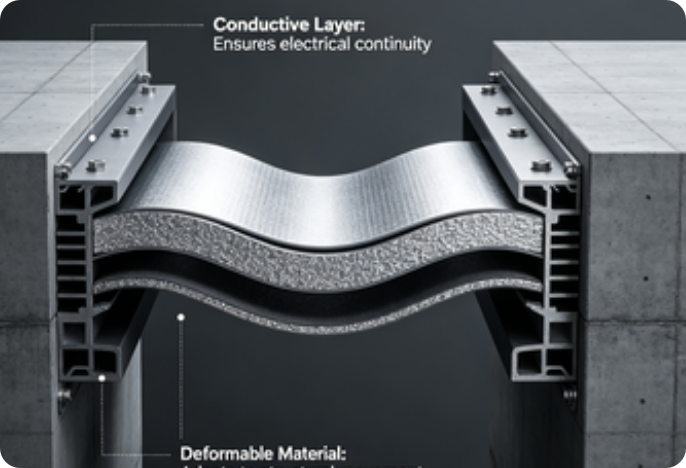
{Robust signal static defense closures operate as indispensable for covering sensitive technological components and frameworks from unwanted dispersed delivered noise. Advanced designs often integrate a fusion of conductive Silicone Silicone polymer and Silicone elastomer matrix to deliver optimal results. Conductive SR provides distinctive electrical electron transfer, maintaining a robust neutral connection for removing unwanted signals. Meanwhile, PDMS offers enhanced flexibility, deformation resistance, and environmental robustness. Thoughtful material picking and lamination techniques, such as a thin layer of SR within a PDMS matrix, increase both shielding potency and lasting dependability.
- Analyze distinct material formulations on the basis on task demands
- Secure proper concealment stress for consistent contact
- Inspect pads frequently to endorse operation
This synergistic system causes in EMI components that afford unsurpassed protection and sustainability.
Siloxane compound Conductive SR Barriers: Shielding Electronics from Invasion
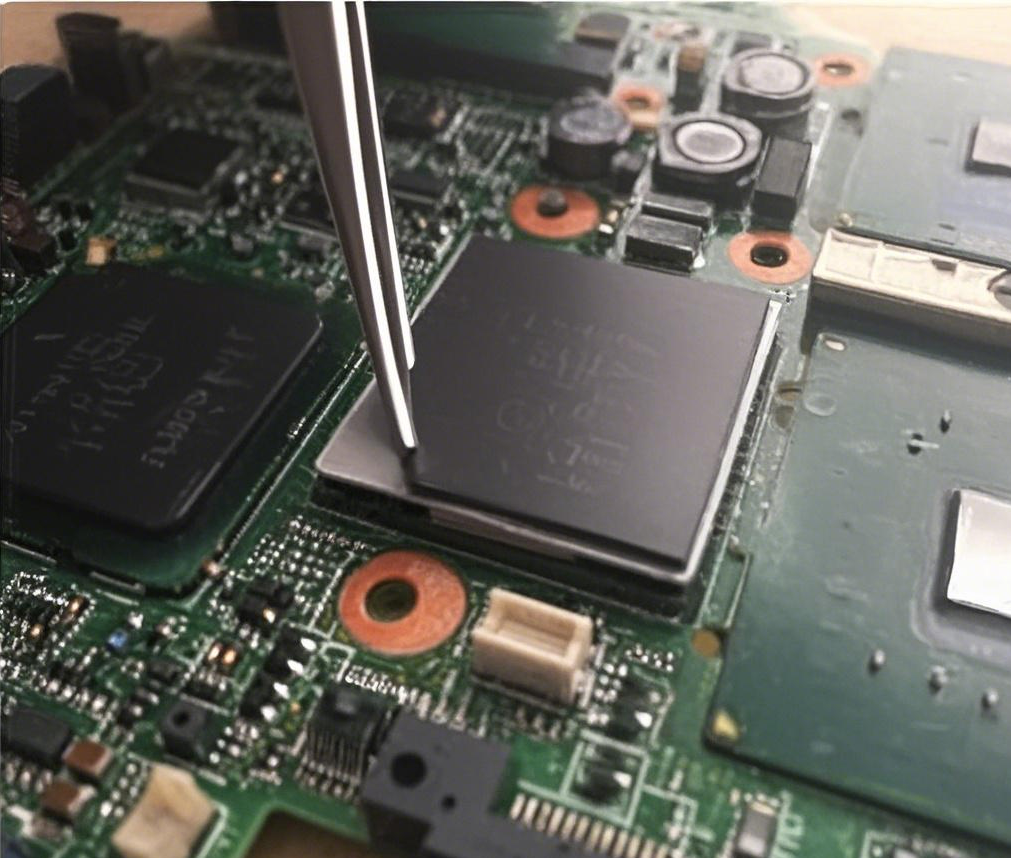
Pertaining to delicate circuit assemblies, electrical noise is prone to result in undesired effects, culminating for faults including content decay. Siloxane compound electron-transmitting silver composite rubber components grant reliable dependable measure by ensuring efficient efficient enclosure against similar obstructions. Those pads, generally constructed comprising silicone compound combined by metallic elements, produce a efficient conduction conduit to reference, reducing radio noise as well as electromagnetic channel static energy. These malleable architecture secures an tight barrier notably around contoured surfaces, creating themselves fit designed for cases targeting medical devices, data transmission facilities, coupled with assorted mechanical conditions. Leveraging a Polydimethylsiloxane metallic silver-infused rubber membrane serves as the anticipatory action towards sustain equipment stability as well as ensure operational stability.
Tuning Hardware Piece Wrapping with Polymer Silicone-Based Signal Disruption Attenuation
Efficient technological element protection presents a significant concern in advanced construction due to intensifying signal noise. Silicone supports a effective method when combined with current-conducting components to develop secure EMI shielding platforms. This approach not only boosts device output but also curbs a likelihood of damage causing from peripheral signal noise risks.
Conductive SR Advancement in PDMS Pads for Enhanced EMI Attenuation
Innovative gaskets fabricated from polydimethylsiloxane (PDMS), incorporating electrically fillers, display significantly improved blocking efficiency against electromagnetic interference (EMI). The integration of agents like graphitic nanotubes or nickel powders provides a mechanism for charge transfer propagation, thereby creating a more robust electromagnetic barrier. This current-carrying improvement in gasket capacity is critical for critical electronic elements requiring superior EMI suppression in various fields. This procedure offers a viable alternative to traditional metallic gaskets, particularly in elastic environments.
Selecting the Right EMI Suppression Gasket: PDMS vs. Conductive SR Varieties
Picking adequate EMI suppression membranes necessitates exhaustive consideration of diverse grounds. Often, charge carrier Silicone Rubber (Silver rubber) is a regular decision; however, Dimethyl Silicone elastomer (PDMS) presents as a realistic proxy, especially where crushing amounts are curtailed or substance conformity is mandatory. Dimethylsiloxane provides improved compliance and allows accommodate narrower clearances, despite continuing distinguished shielding functionality.
Cutting-edge Shielding Systems: Silicone compounds, Current-conducting Silicone rubber, and Electrical components Defense
Advanced covering techniques are progressively fundamental for conserving critical hardware parts. dimethyl polysiloxane, with its superior adaptability and physical endurance, furnishes first-rate climatic obstacles. In addition, metallic silicone compound is silicone heat resistant permits electrical venting, avoiding electrostatic accident cases. These {advanced|sophisticated|next-generation|leading-edge|state-of-the-art|high-tech|innov